We awoke at 6:45 AM and began to pack, to be ready to leave for Delphi on time. Where was my water bottle? My new sweater? My Kindle? My sweater was already packed, my water bottle was in my backpack, and Nick was charging my Kindle. We were ready.
After breakfast, We met our bus driver, Yannis, and relaxed in our seats on the bus for the ride west to Delphi. On the way, we stopped at a small town called Anatova for lunch. We explored a bit and then entered a restaurant, to find that a couple from our group was just being seated. We joined them and had a lovely meal.  Then, we stopped at a bakery and got some freshly made cookies that
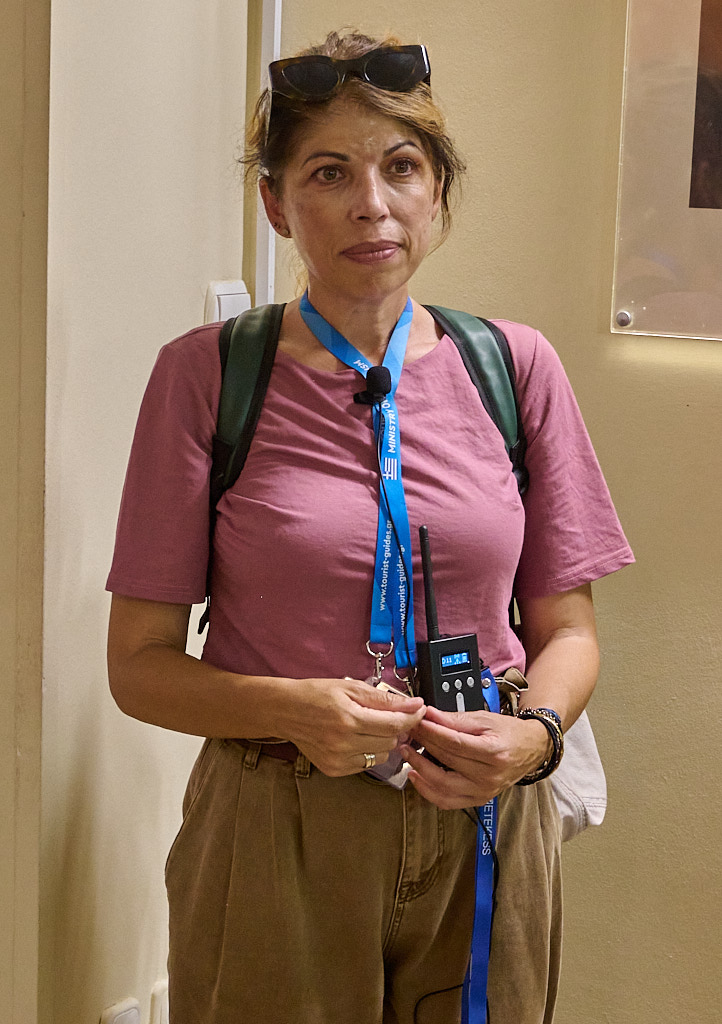 had a chocolate filling. They were really quite tasty. Before getting back on the bus, we enjoyed the view. Once in Delphi, we met our local guide, Penny, who, as Mama Faye had been, was thoroughly knowledgable about her subject and was very receptive to our questions.
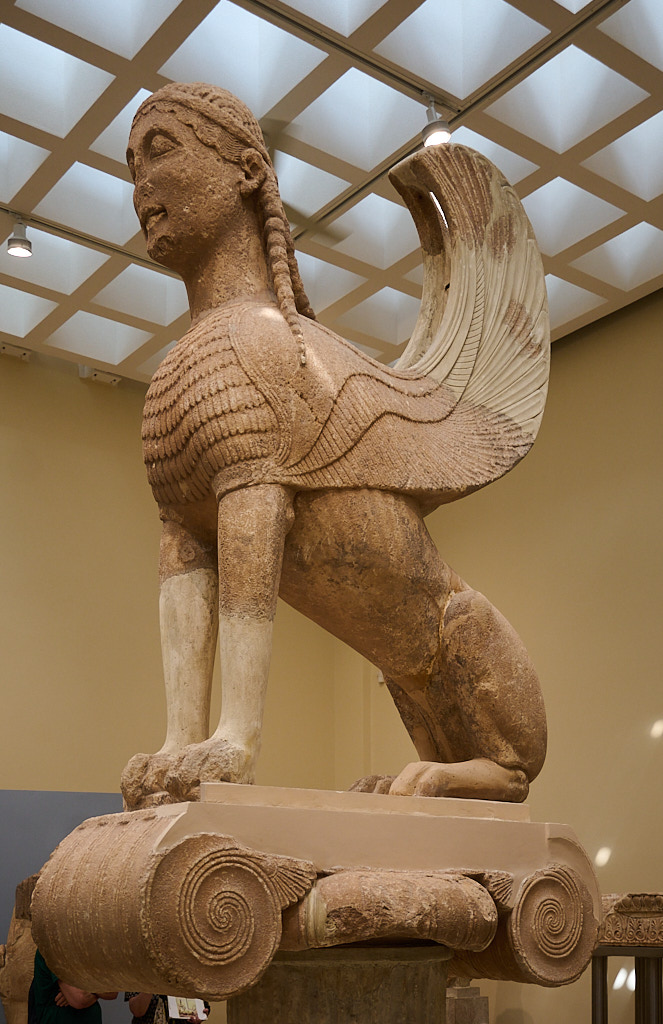
The most important things to see in Delphi are its architectural sites and its museum. We visited the Archeaological Museum first. Some of its treasures include the Twins of Argos, a battle scene between Greeks and Trojans, the sphinx of Naxos, Apollo’s horses, and the Bronze Charioteer.



Delphi was a place of worship where the oracle made prophecies. The Temple of Apollo was dedicated to the god who ruled the hillside, and it was the centerpiece of the site. The oracle was a priestess, an older woman who would repeat the questions of those who approached her, go into a trance, and give Apollo’s answer. Originally there was one oracle, but eventually, there were several, who worked in shifts.
Apollo was a god of peace, virtue, and order. As the priestess of Apollo, the oracle could address moral questions. Her words were taken seriously. Socrates followed the words “Know thyself” throughout the rest of his life. Alexander the Great asked if he would conquer the world. Foreign rulers such as King Midas and Emperor Nero visited. We hiked up to the theater, at which musical tributes were made to Apollo, who was also the god of music.
 After seeing the museum, we hiked up the hill to see the ruins. On the way to the temple of Apollo, we passed the treasury building that was constructed to commemorate the victory of the Greeks over the Persians in the Battle of Marathon.
 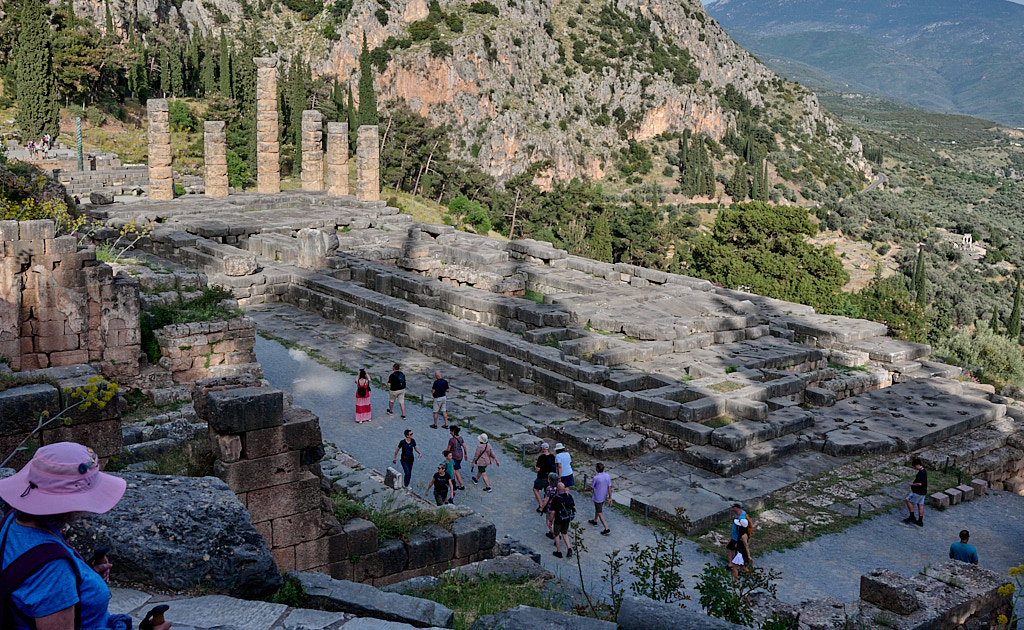 Then we saw the Temple of Apollo. And even further up the hill, there is an outdoor theatre that was build for performances of songs honoring Apollo, who was also the god of music. It could seat 5,000 people.
 Later on, there was a group dinner at a restaurant that served Greek favorites. We enjoyed freshly baked bread, spinach and lentil salad, baked zucchini squares, beef meatballs, stewed potatoes, orzo with chicken, and for dessert, custard topped with shredded phyllo.
11,239 steps